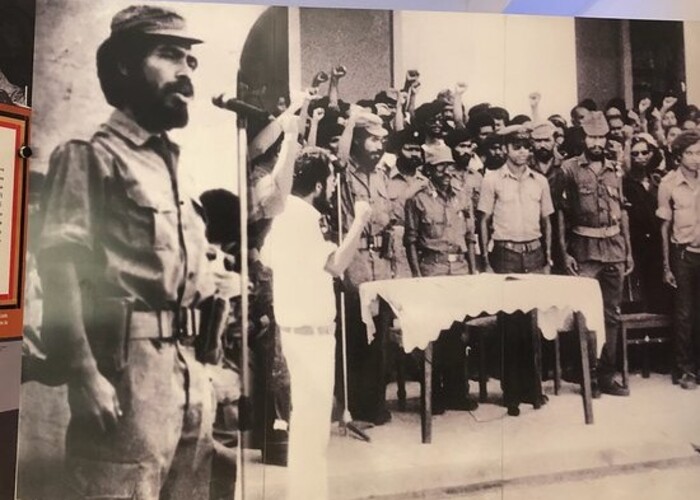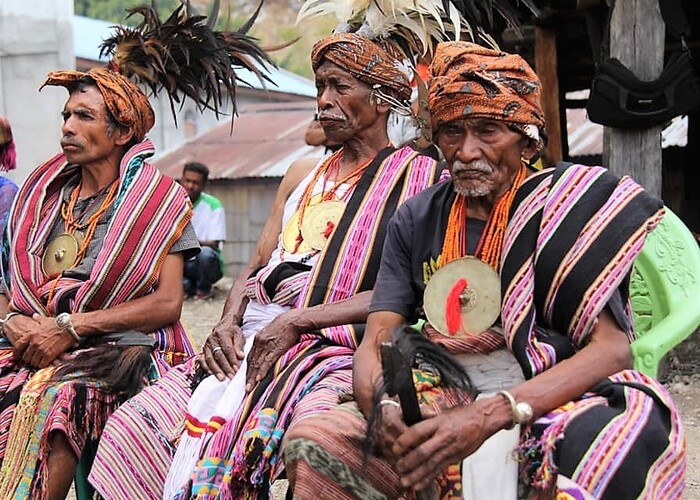


Maubara and Liquica are two remarkable coastal destinations in Timor-Leste, offering a perfect blend of natural beauty, cultural heritage, and historical significance. Located on the northern coastline, just west of Dili, these regions provide travelers with a peaceful escape and a deeper understanding of Timor-Leste’s unique identity. With calm beaches, traditional villages, and colonial landmarks, Maubara and Liquica have become must-visit destinations for anyone exploring the country’s hidden gems.
Maubara – A Coastal Village Rich in Culture and History
The coastal area of Maubara is best known for its charming historical sites and relaxed seaside atmosphere. One of its most iconic attractions is the Maubara Fort, a well-preserved Portuguese-era structure overlooking the ocean. The fort once served as a strategic defense point and today stands as a testament to Timor-Leste’s colonial past. Visitors can walk through its stone walls, enjoy scenic ocean views, and learn about the region’s historical importance.
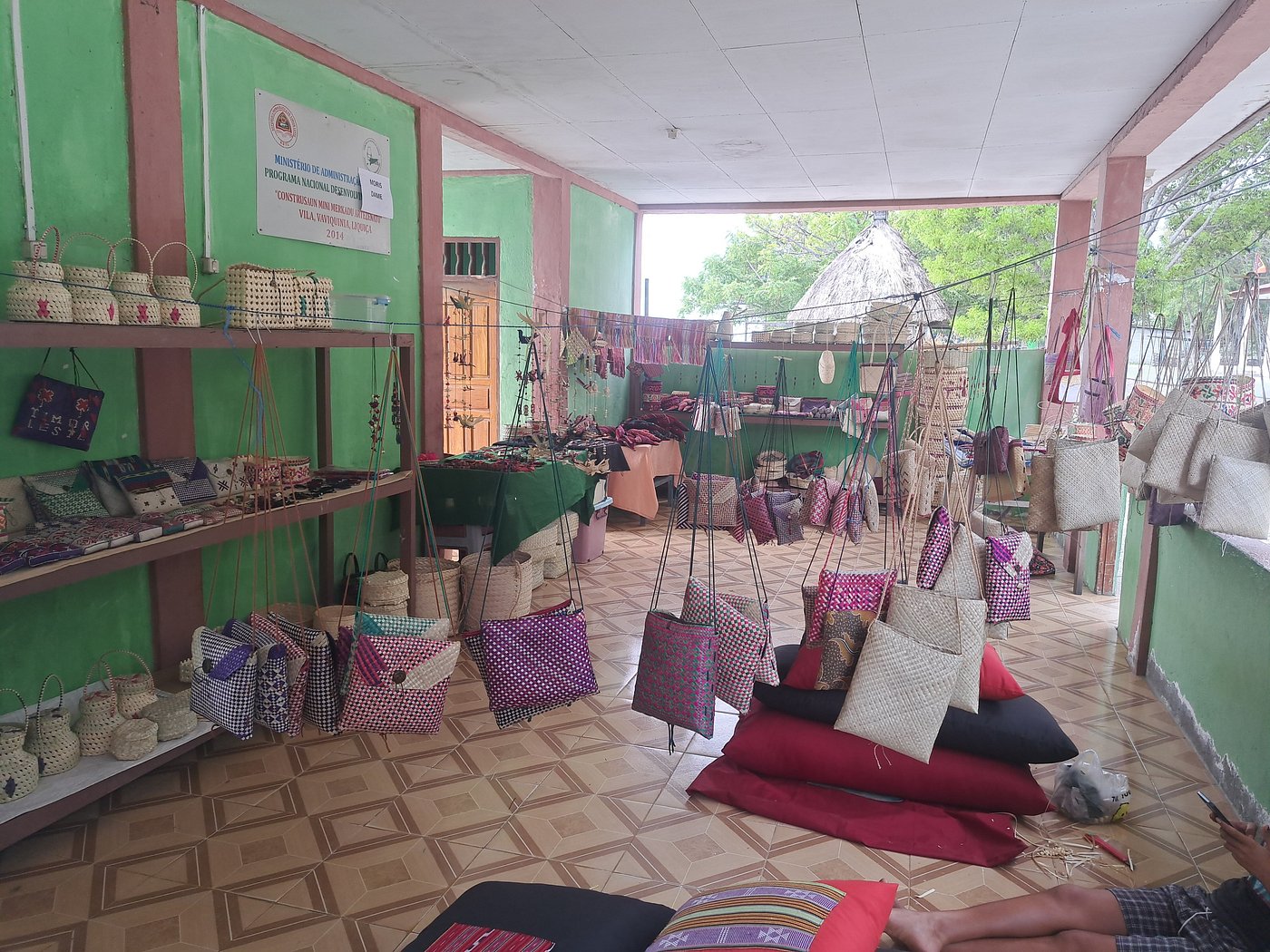
Just outside the fort, Maubara is also famous for its local handicraft market, where women from surrounding villages sell beautifully woven baskets, mats, and traditional crafts. This cultural marketplace is one of the best spots in Timor-Leste to experience local craftsmanship while supporting community-based artisans.
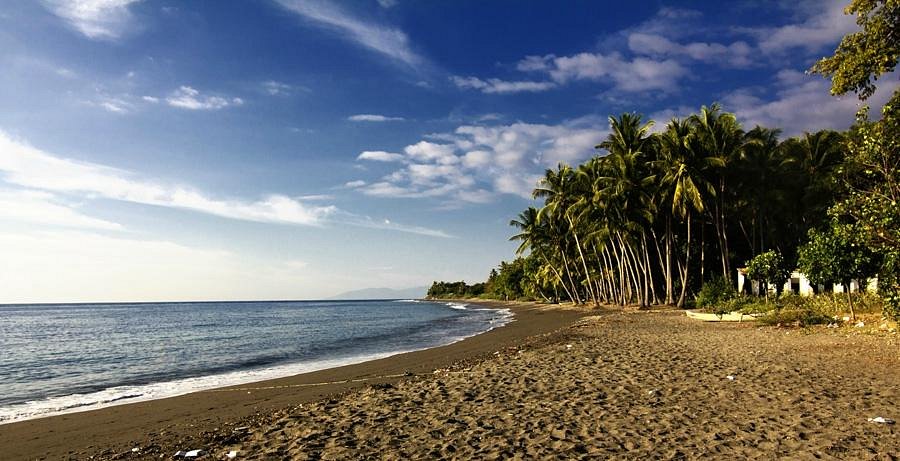
Nature lovers can enjoy Maubara’s peaceful beach, known for its calm waters and laid-back coastal lifestyle. Traditional fishing boats line the shore, creating a picturesque scene that reflects the daily rhythm of local communities. Maubara is an ideal stop for travelers who want to enjoy authentic coastal life and discover Timor-Leste’s deep-rooted traditions.
Liquica – Black-Sand Beaches and Coastal Charm
A short distance east of Maubara lies Liquica, a district known for its dramatic landscapes and striking black-sand beaches. The coastline of Liquica offers crystal-clear waters, volcanic sands, and peaceful spots perfect for relaxation. The beaches here are less crowded than in urban areas, making them an excellent choice for travelers seeking tranquility.
Liquica is also home to the historic Parish of Liquica, a significant cultural and spiritual landmark. This centuries-old church reflects the region’s strong cultural identity and offers insight into Timor-Leste’s long-standing Catholic heritage. Nearby, coastal cliffs and lush greenery create a scenic backdrop ideal for photography and leisurely exploration.
In addition to its natural beauty, Liquica provides visitors with the warm hospitality of local communities. Travelers can enjoy fresh seafood, explore small local restaurants, or simply relax along the shoreline while watching the sunset over the mountains.
A Combined Experience of Culture, Nature, and Heritage
Visiting Maubara and Liquica are two remarkable coastal destinations in Timor-Leste, offering a perfect blend of natural beauty, cultural heritage, and historical significance. Located on the northern coastline, just west of Dili, these regions provide travelers with a peaceful escape and a deeper understanding of Timor-Leste’s unique identity. With calm beaches, traditional villages, and colonial landmarks, Maubara and Liquica have become must-visit destinations for anyone exploring the country’s hidden gems.
Maubara – A Coastal Village Rich in Culture and History
The coastal area of Maubara is best known for its charming historical sites and relaxed seaside atmosphere. One of its most iconic attractions is the Maubara Fort, a well-preserved Portuguese-era structure overlooking the ocean. The fort once served as a strategic defense point and today stands as a testament to Timor-Leste’s colonial past. Visitors can walk through its stone walls, enjoy scenic ocean views, and learn about the region’s historical importance.
Just outside the fort, Maubara is also famous for its local handicraft market, where women from surrounding villages sell beautifully woven baskets, mats, and traditional crafts. This cultural marketplace is one of the best spots in Timor-Leste to experience local craftsmanship while supporting community-based artisans.
Nature lovers can enjoy Maubara’s peaceful beach, known for its calm waters and laid-back coastal lifestyle. Traditional fishing boats line the shore, creating a picturesque scene that reflects the daily rhythm of local communities. Maubara is an ideal stop for travelers who want to enjoy authentic coastal life and discover Timor-Leste’s deep-rooted traditions.
Liquica – Black-Sand Beaches and Coastal Charm
A short distance east of Maubara lies Liquica, a district known for its dramatic landscapes and striking black-sand beaches. The coastline of Liquica offers crystal-clear waters, volcanic sands, and peaceful spots perfect for relaxation. The beaches here are less crowded than in urban areas, making them an excellent choice for travelers seeking tranquility.
Liquica is also home to the historic Parish of Liquica, a significant cultural and spiritual landmark. This centuries-old church reflects the region’s strong cultural identity and offers insight into Timor-Leste’s long-standing Catholic heritage. Nearby, coastal cliffs and lush greenery create a scenic backdrop ideal for photography and leisurely exploration.
In addition to its natural beauty, Liquica provides visitors with the warm hospitality of local communities. Travelers can enjoy fresh seafood, explore small local restaurants, or simply relax along the shoreline while watching the sunset over the mountains.
A Combined Experience of Culture, Nature, and Heritage
Visiting Maubara and Liquica allows travelers to experience the best of Timor-Leste’s coastal culture—traditional livelihoods, historical sites, serene beaches, and untouched natural beauty. Whether you’re walking through the walls of Maubara Fort, shopping for handcrafted souvenirs, or enjoying the peaceful shores of Liquica, both destinations offer a refreshing escape from the busy city and a deeper connection to Timorese heritage.
For travelers seeking an authentic, meaningful, and scenic adventure, Maubara and Liquica are two destinations that truly capture the heart of Timor-Leste.
Aipelo Prison, Liquica – A Historic Landmark of Timor-Leste’s Colonial Past
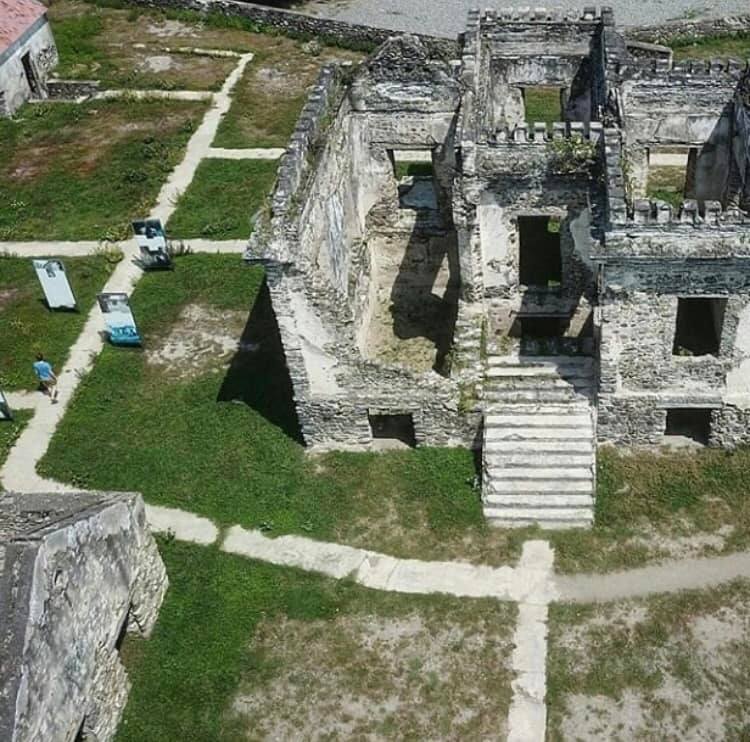
Aipelo Prison, located along the coastal road of Liquica in Timor-Leste, stands as one of the country’s most haunting yet important historical landmarks. Built during the Portuguese colonial era, this old prison served as a place of exile and punishment for political prisoners, rebels, and those who resisted colonial rule. Today, its stone walls and weathered ruins offer visitors a powerful glimpse into the struggles and resilience of the Timorese people.
Surrounded by serene ocean views and quiet countryside landscapes, Aipelo Prison creates a striking contrast between natural beauty and historical tragedy. Walking through its abandoned cells, visitors can feel the weight of the past—stories of hardship, resistance, and sacrifice that shaped the nation’s long journey toward independence.
Despite its somber history, Aipelo Prison has become a meaningful cultural heritage site. Travelers and historians come to explore its crumbling corridors, learn about its role in Timor-Leste’s colonial history, and pay respect to those who endured suffering within its walls. The site also serves as a reminder of the country’s strength, unity, and ongoing commitment to preserving its past.
As Liquica continues to grow as a tourism destination, Aipelo Prison stands as a must-visit landmark for anyone seeking to understand the deeper history and cultural identity of Timor-Leste. Its powerful atmosphere, historical significance, and scenic coastal setting make it an unforgettable stop on any journey through the region.