

Traditional Dances of Timor-Leste: Celebrating Heritage, Identity, and Community
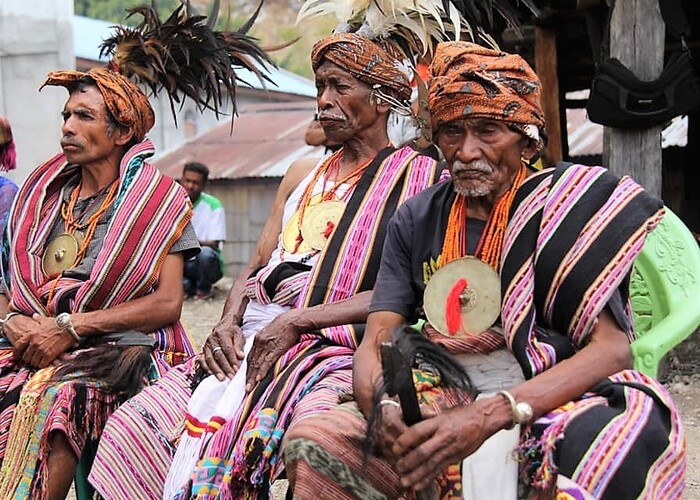
Timor-Leste is home to a rich collection of traditional dances, each reflecting the nation’s deep cultural roots, ancestral stories, and communal values. These dances are more than artistic performances—they are living expressions of history, identity, and the spiritual connection shared across generations. Among the most well-known and culturally significant dances are Likurai, Bidu, Tebedai, and Bonet.
Likurai Dance – A Powerful Symbol of Honor and Tradition
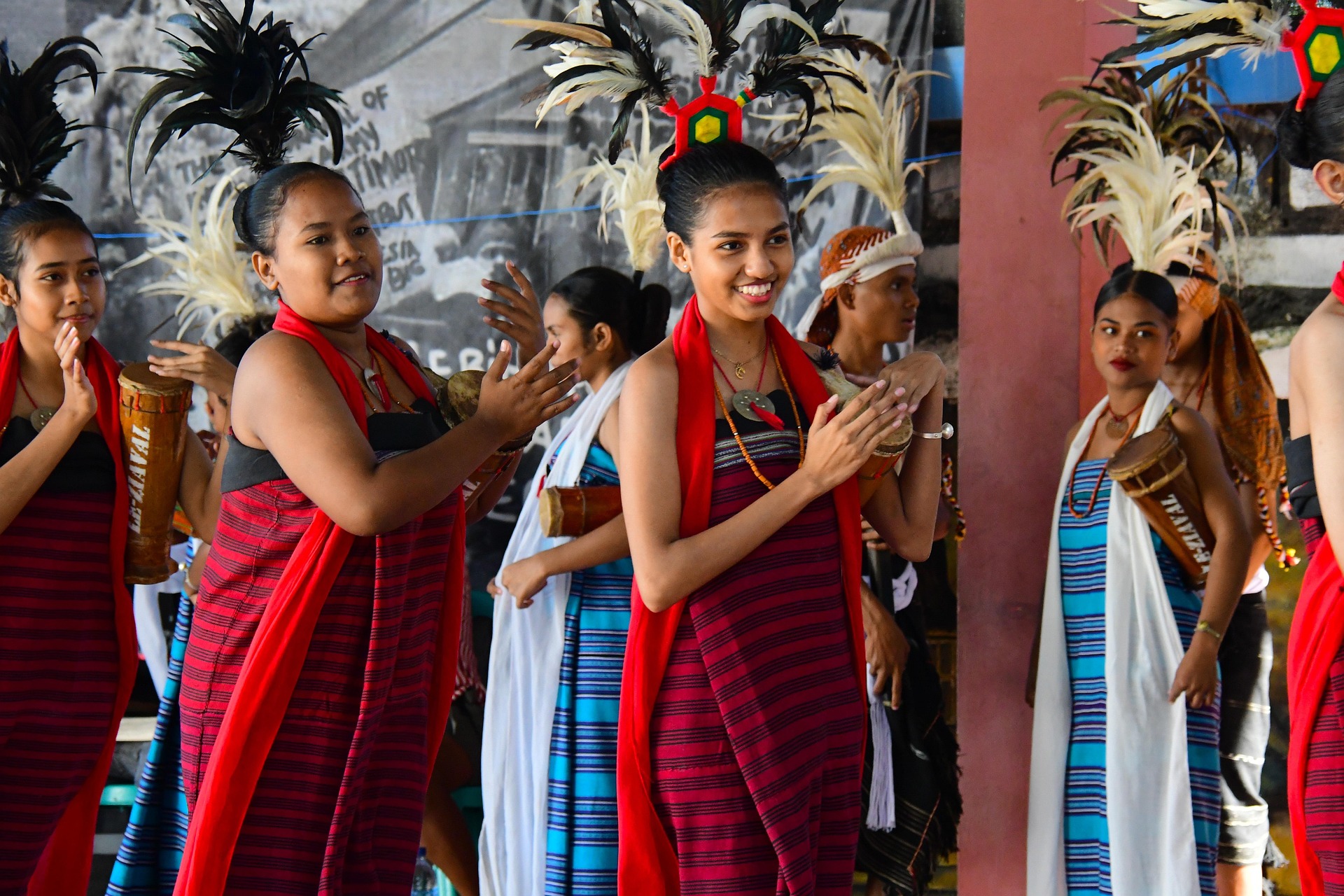
One of the most iconic traditional dances of Timor-Leste is the Likurai Dance, performed predominantly by women wearing tais, the intricately woven traditional cloth. Historically, Likurai was a warrior’s welcome dance, performed to celebrate the return of fighters from the battlefield. The rhythmic movements, often accompanied by small drums, create a captivating blend of elegance and strength.
Today, Likurai has evolved into a cultural performance showcased during national celebrations, cultural festivals, and community gatherings, symbolizing pride, unity, and the resilience of Timorese culture.
Bidu Dance – A Graceful Expression of Timorese Identity
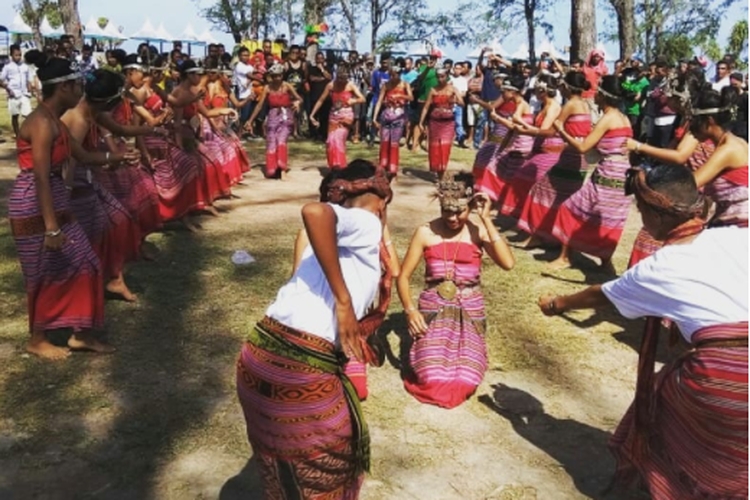
Another well-loved traditional dance is Bidu, often performed during social gatherings, weddings, and cultural events. Bidu is known for its graceful choreography and harmonious group movements that highlight the beauty of community life. While its exact origins vary across regions, Bidu remains a cherished tradition that strengthens social bonds and reflects the joyful spirit of Timor-Leste.
Tebedai (Tebe) Dance – A Communal Dance of Unity
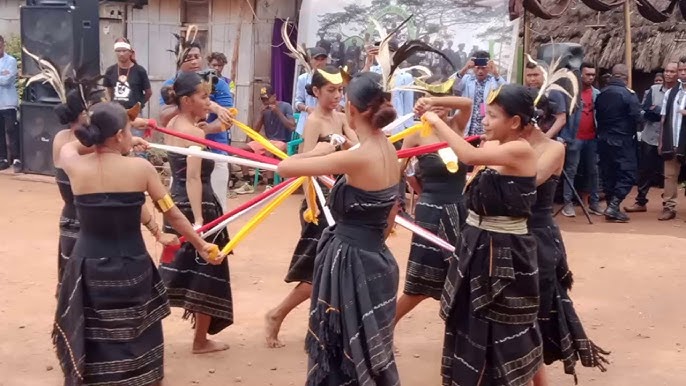
The Tebedai, also known simply as Tebe, is a communal dance frequently performed during customary ceremonies, harvest celebrations, and major cultural events. Dancers form a circle while singing traditional chants, stepping rhythmically in unison. The Tebedai represents unity, gratitude, and collective harmony, bringing together people of all ages to celebrate important moments.
With its lively atmosphere and deep cultural meaning, the Tebedai is one of the most recognizable symbols of Timorese solidarity.
Bonet Dance – One of the Oldest Dances of Timor Island
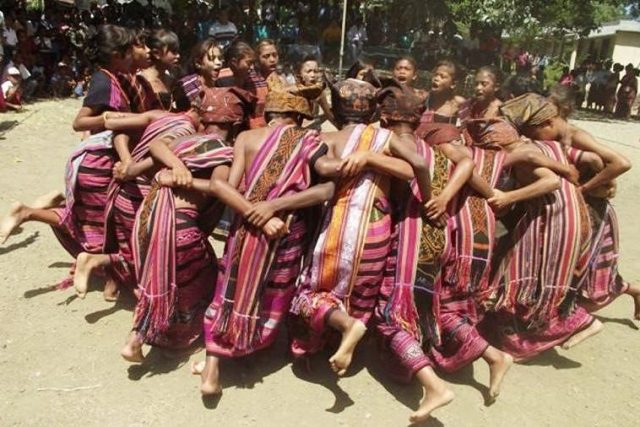
The Bonet Dance is considered one of the oldest traditional dances of the Timorese people. Passed down through generations, it depicts the daily life, values, and worldview of the island’s indigenous communities. With its steady rhythms and symbolic gestures, Bonet reflects themes of cooperation, storytelling, and ancestral heritage.
The dance is often performed during cultural festivals and historical commemorations, serving as a reminder of the island’s long and diverse history.
A Living Cultural Legacy for Future Generations
These traditional dances—Likurai, Bidu, Tebedai, and Bonet—play a vital role in preserving the cultural identity of Timor-Leste. They are regularly showcased in tourism events, heritage festivals, and community celebrations, offering travelers an authentic look into the nation’s artistic soul.
For visitors exploring Timor-Leste, witnessing these dances is an unforgettable experience that reveals the vibrant spirit, unity, and resilience of the Timorese people.