

Discovering the Uma Lulik of Timor-Leste: A Sacred Bridge Between Spirits and People
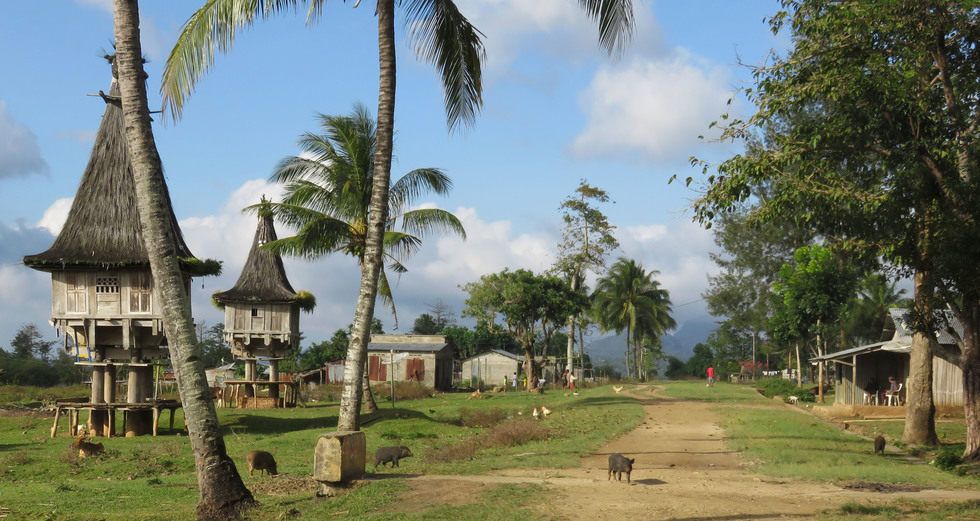
The Fataluku people of eastern Timor-Leste are known for preserving some of the country’s most fascinating and diverse cultural traditions. Among their most important ancestral legacies is the Uma Lulik, a sacred traditional house that symbolizes the connection between the past and the present, and between the living and the ancestral spirits.
According to sources like Atlas Obscura, traditional Uma Lulik structures can still be found across many customary villages in Timor-Leste, along with replica houses built to honor heritage and showcase Fataluku craftsmanship. These sacred houses serve as ritual spaces for ceremonies such as harvest celebrations and also function as storage for treasured ancestral objects.
In the Tetun language, the origins of the words uma and lulik help explain their deep cultural significance. Uma translates simply to “house,” while lulik is often translated as “sacred.” Together, Uma Lulik represents a sacred house, a spiritual and cultural foundation for Timorese identity.
Architecture and Symbolism of the Uma Lulik
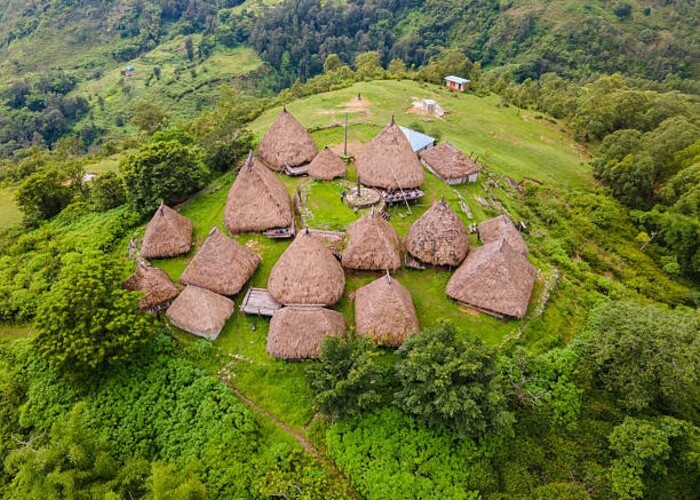
Uma Lulik structures are traditionally built using stone, wood, bamboo, thatch, and natural fibers. Modern versions sometimes incorporate more durable materials such as iron and cement, but the symbolic design remains the same. Built as raised houses with tall, distinctive roofs, Uma Lulik stands as an architectural expression of Timor-Leste’s spiritual worldview.
These structures are typically renovated every 10 to 20 years. The rebuilding process strengthens the connection between generations, honoring the places where ancestors once lived and preserving cultural memory for future descendants.
Unlike ordinary homes, an Uma Lulik does not belong to a single family. Instead, it represents the shared lineage of multiple clans that are connected through marriage and ancestral ties. It embodies the collective spirit, history, and traditions that remain central to Timorese cultural identity.
Destruction and Revival During and After Indonesian Occupation
A study titled “Uma Lulik as Heritage: Authorised Heritage Discourse in Timor-Leste” notes that the objects stored within the Uma Lulik are often more meaningful than the structure itself. These sacred heirlooms are the core reason the building exists.
Traditionally, a guardian lived beside the Uma Lulik to protect these sacred items. However, during the Indonesian occupation, many Timorese fled into the forests, leaving the Uma Lulik without protection. Some villagers attempted to save the sacred objects by hiding them or carrying them while escaping, but in many cases this was impossible. As a result, countless Uma Lulik structures and their contents were destroyed or lost.
When Timor-Leste gained independence in 2002, the government and local communities began efforts to revive traditional customs and rebuild the Uma Lulik that had been destroyed. Today, these sacred houses stand not only as cultural symbols but also as powerful reminders of resilience and identity.
A National Symbol of Timor-Leste’s Cultural Heritage
The revival of the Uma Lulik reflects the strength and determination of the Fataluku people and the nation as a whole. Now recognized as an essential element of Timor-Leste’s national cultural heritage, the Uma Lulik serves as a symbol of identity, unity, and spiritual continuity. For travelers exploring Timor-Leste, visiting an Uma Lulik offers a rare and meaningful window into the country’s living traditions, ancestral beliefs, and historical endurance.