

Discover Dili: The Warm, Breezy Heart of Timor-Leste
Dili, the coastal capital of Timor-Leste, is a city where golden sunlight, gentle waves, and a relaxed island rhythm welcome travelers the moment they arrive. Nestled along the calm waters of the Ombai Sea and framed by emerald hills, Dili offers the perfect blend of natural beauty, cultural depth, and small-city charm. It’s a destination for those seeking something authentic—an experience untouched by mass tourism yet rich with stories.

Start your journey on the Avenida Marginal, the city’s waterfront promenade where locals gather for morning walks, fishermen cast their nets, and cafés spill out under the shade of palm trees. Just offshore lies the serene silhouette of Ataúro Island, renowned for its world-class diving and vibrant coral reefs. Many travelers use Dili as their jumping-off point for snorkeling trips, whale-watching excursions, and eco-adventures around the bay.
Dominating the landscape is the iconic Cristo Rei statue, perched atop a lush, windswept hill on the city’s eastern cape. A scenic stairway leads you through tropical greenery to a panoramic viewpoint overlooking turquoise waters and long crescent beaches. Whether you come at sunrise, when the sky turns pastel pink, or at sunset, when the ocean glows warm gold, Cristo Rei is a must-see symbol of peace, resilience, and faith.
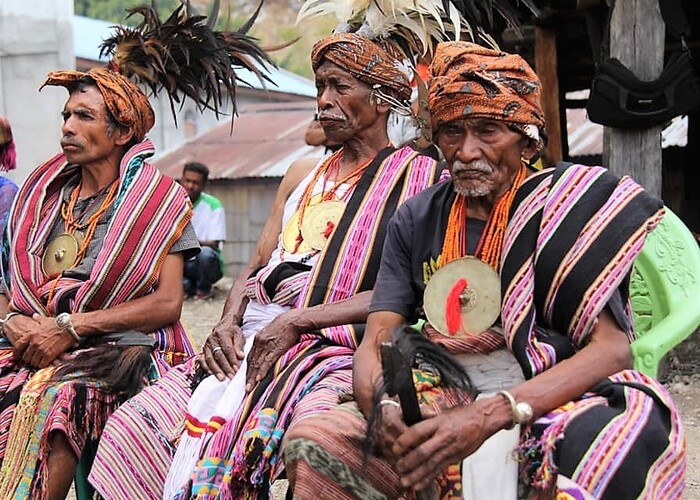
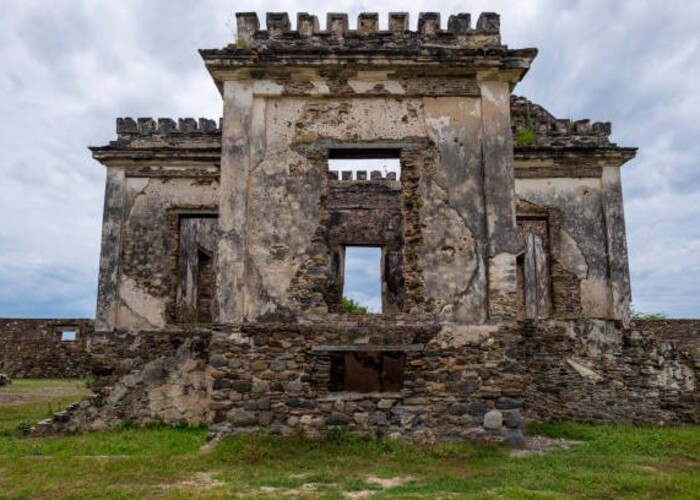
But Dili is more than beautiful vistas—it is a city shaped by centuries of cultural encounters. As you explore its historic neighborhoods, you’ll find Portuguese-era architecture, old government buildings, and quiet Catholic churches standing alongside lively markets and modern cafés. These layers tell the story of Timor-Leste’s unique identity: a blend of local traditions, colonial legacy, and a hard-won independence.
Why Portuguese Is Spoken in Timor-Leste
Many travelers are surprised to hear Portuguese spoken in Dili, but the reason is deeply rooted in history. Timor-Leste was a Portuguese colony from the 16th century until 1975, leaving behind a linguistic and cultural influence that remains visible today. After decades of occupat
ion and the struggle for freedom, the people of Timor-Leste chose Portuguese—alongside Tetum—as one of their official languages. This decision reflects a desire to honor their heritage, strengthen their national identity, and connect with the wider Portuguese-speaking world.
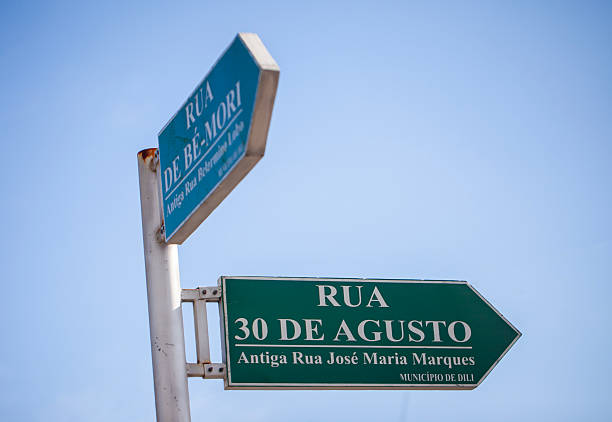
As a result, visitors will notice Portuguese on street signs, government buildings, and in schools, while Tetum, English, and Indonesian are also widely spoken. This multilingual environment adds color to everyday interactions, giving Dili a cosmopolitan yet distinctly Timorese vibe.
A City That Welcomes Every Kind of Traveler
Dili’s charm lies in its balance of simplicity and adventure. Travelers searching for quiet island life will love its peaceful beaches and unhurried pace. Culture seekers can explore museums, art galleries, and independence memorials that recount Timor-Leste’s remarkable journey. Food lovers can enjoy seaside grills serving the day’s fresh catch, Portuguese-inspired pastries, and aromatic Timorese coffee grown in the highlands.
For explorers wanting deeper experiences, Dili is the perfect gateway to the country’s rugged interior—mountain villages like Maubisse, misty highlands, sacred sites, and cool green valleys where time feels slower and traditions run deep.
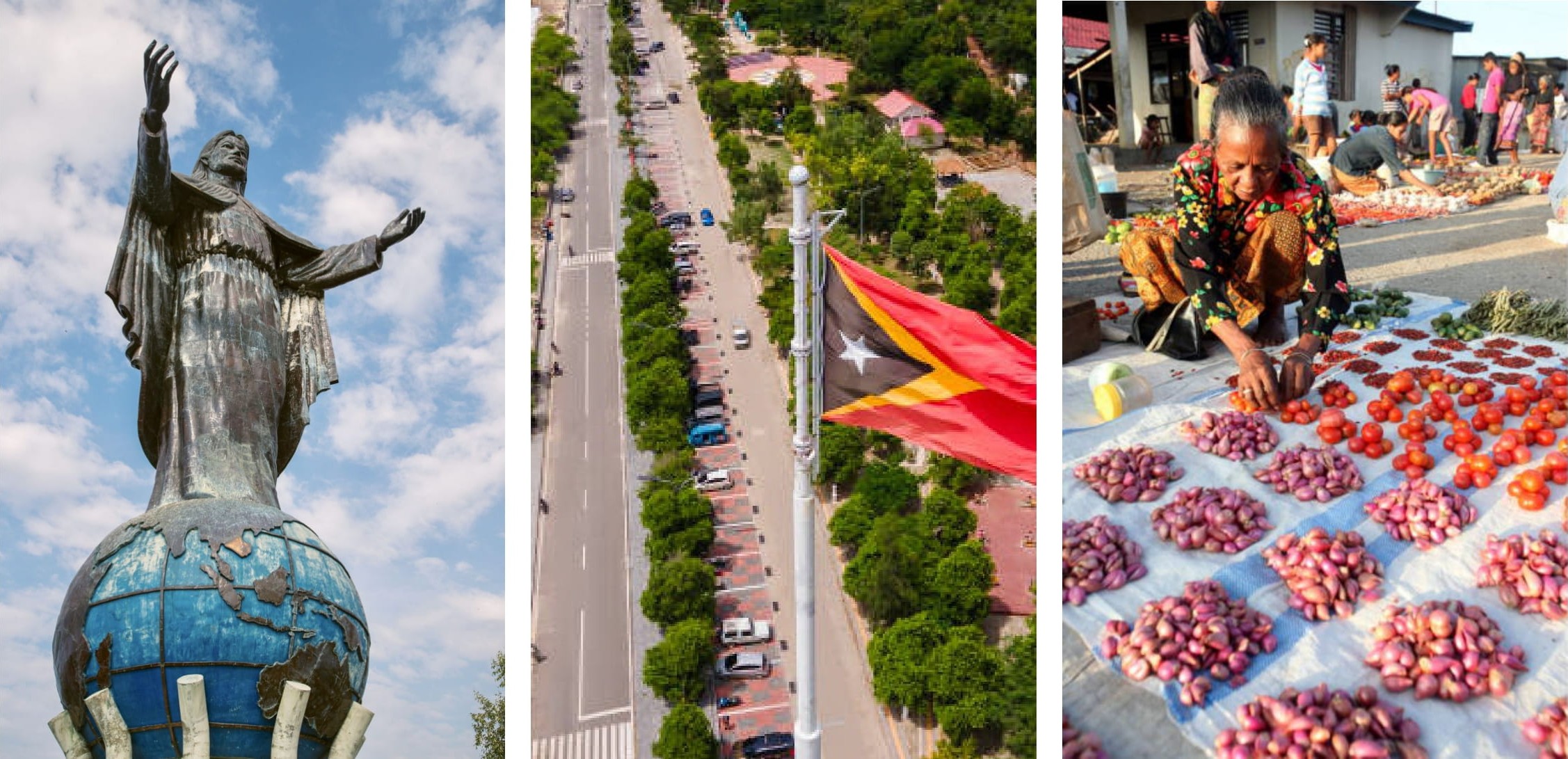
Rich in culture, warm in spirit, and surrounded by nature, Dili is not just a stopover—it’s a destination waiting to be discovered. Whether you’re an adventurer, a cultural traveler, or someone simply looking for a serene escape, the capital of Timor-Leste offers unforgettable stories, heartfelt hospitality, and a sense of discovery that lingers long after you’ve returned home.