

Tais of Timor-Leste – A Living Heritage of Art, Identity, and Ancestral Wisdom
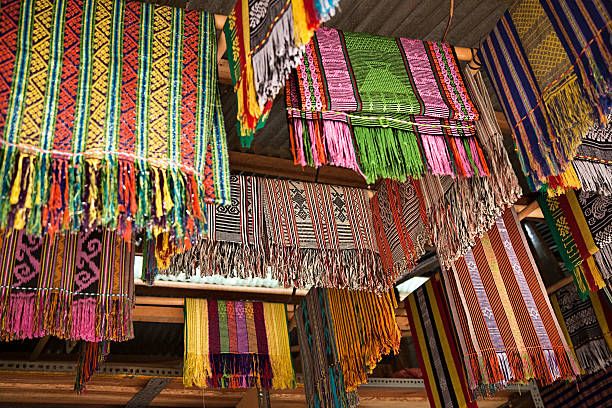
The Tais of Timor-Leste is one of the country’s most treasured cultural symbols—a handwoven textile rich in history, meaning, and artistic mastery. More than a piece of cloth, Tais represents the identity of the Timorese people, preserving stories of ancestors, beliefs, and community life through patterns and colors passed down across generations.
A Deep Historical Legacy
The tradition of weaving Tais dates back centuries, long before the arrival of foreign influences. Historically, Tais weaving was practiced by women as a vital part of domestic and ceremonial life. The patterns served as a visual language, documenting the heritage of clans, local myths, and spiritual values.
During the Portuguese colonial period, new colors and motifs were added, yet the core identity of the Tais remained firmly rooted in indigenous Timorese culture. Today, Tais is recognized as a national cultural heritage and plays a central role in rituals, exchanges, and social identity.
Materials and Traditional Craftsmanship
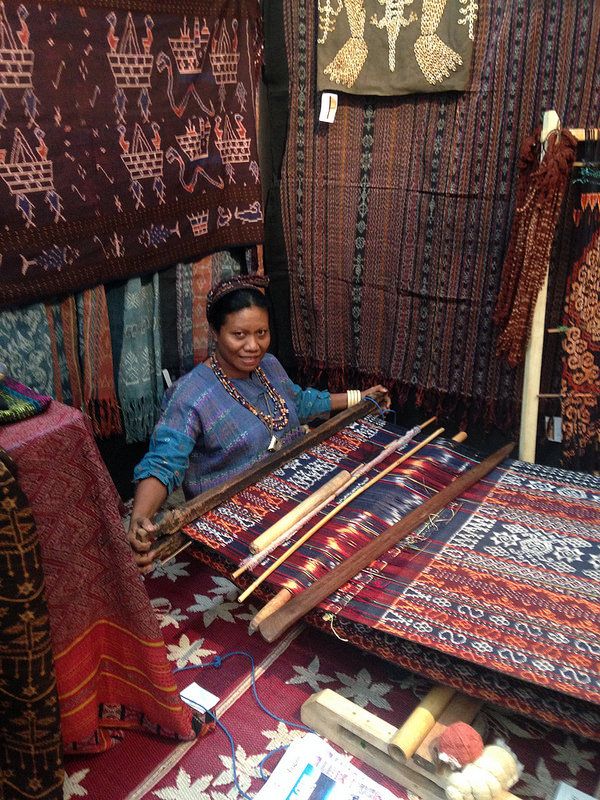
Traditional Tais is made using natural fibers such as cotton, which were once harvested and spun by hand. Natural dyes—including plants, tree bark, roots, and earth pigments—were used to create its distinctive colors, particularly red, black, and yellow.
The weaving process uses a backstrap loom, a technique passed down through generations of women. This method requires great skill, patience, and precision, as the weaver controls the tension with her body while crafting intricate motifs.
Although modern Tais may use commercial threads and dyes for practicality, many communities continue to practice traditional weaving methods, keeping the ancient art alive.
The process of creating a Tais, the traditional handwoven textile of Timor-Leste, is incredibly time-consuming and requires remarkable skill. Depending on the size, design complexity, and weaving techniques, producing one Tais can take anywhere from several days to several months.
For simpler designs—usually with fewer colors and basic patterns—a skilled weaver may complete a piece in one to two weeks.
However, for ceremonial Tais or those with intricate motifs, natural dyes, and fine thread work, the weaving process can extend to one to three months or even longer.
Before the weaving begins, women often spend additional time preparing the thread, dyeing it using natural plants, and arranging the loom. This preparation alone can take several days.
Because each Tais is woven entirely by hand using a traditional backstrap loom, every piece reflects patience, dedication, and cultural pride. The long creation process is part of what makes Tais such a valuable and meaningful symbol of Timorese heritage.
Symbolism and Philosophy Behind Tais
Every Tais design holds meaning. The motifs often represent:
Ancestral lineage – symbols passed down through family lines
Nature and harmony – animals, mountains, plants, and sacred patterns
Courage and resilience – geometric shapes symbolizing strength
Spiritual beliefs – motifs associated with protection and blessings
Tais is used in weddings, funerals, rituals, political ceremonies, and community events. It plays a crucial role in barlake (bride-wealth exchanges), symbolizing respect and unity between families.
Beyond its physical beauty, Tais embodies philosophy, representing the interconnectedness of people, culture, and the land.
Cultural Significance in Modern Timor-Leste
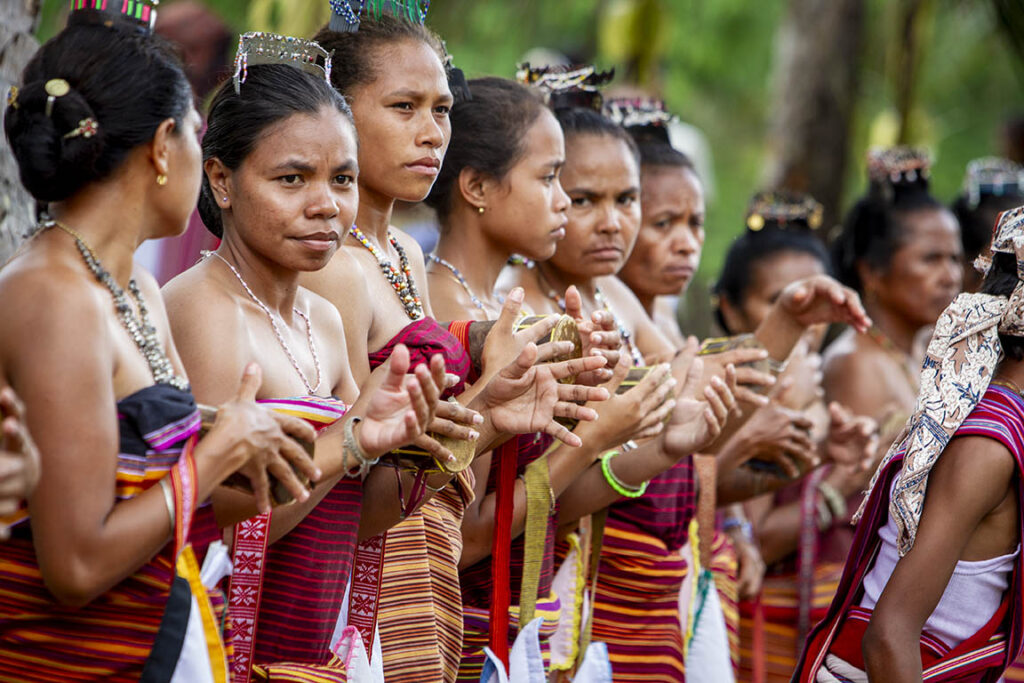
Today, the Tais remains a powerful cultural marker in Timor-Leste. It is worn during national celebrations, gifted to dignitaries, and displayed in museums and cultural centers. In 2021, UNESCO recognized Timor-Leste’s proposal to list Tais as an intangible cultural heritage, highlighting its global significance.
Tais weaving also empowers local women economically. Many cooperatives across Dili, Baucau, Suai, Oecusse, and Lautém produce high-quality Tais for tourism and international markets, helping sustain livelihoods while preserving cultural traditions.
Why Tais Fascinates Travelers
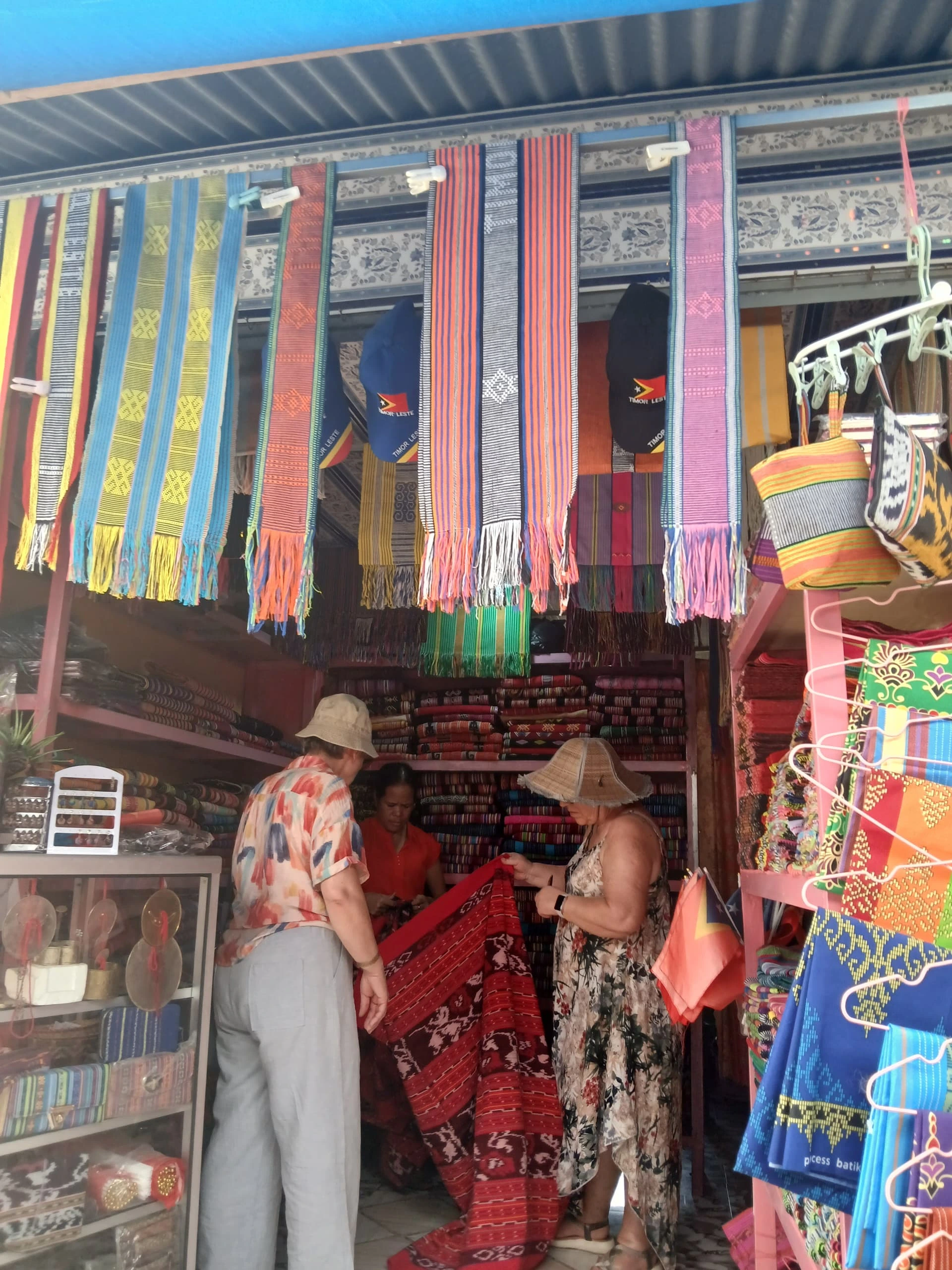
For visitors, Tais is more than a souvenir. It is a window into Timor-Leste’s cultural soul. Travelers can visit weaving houses, learn about patterns unique to each region, and witness firsthand the dedication that goes into every thread.
Each piece tells a story—of resilience, creativity, identity, and the enduring spirit of Timor-Leste.